Charting Pathways Through Tiered Loyalty Structures in Digital Gaming Environments and Their Effects on Sustained Participation Trends
Gisela Long · May 23, 2026
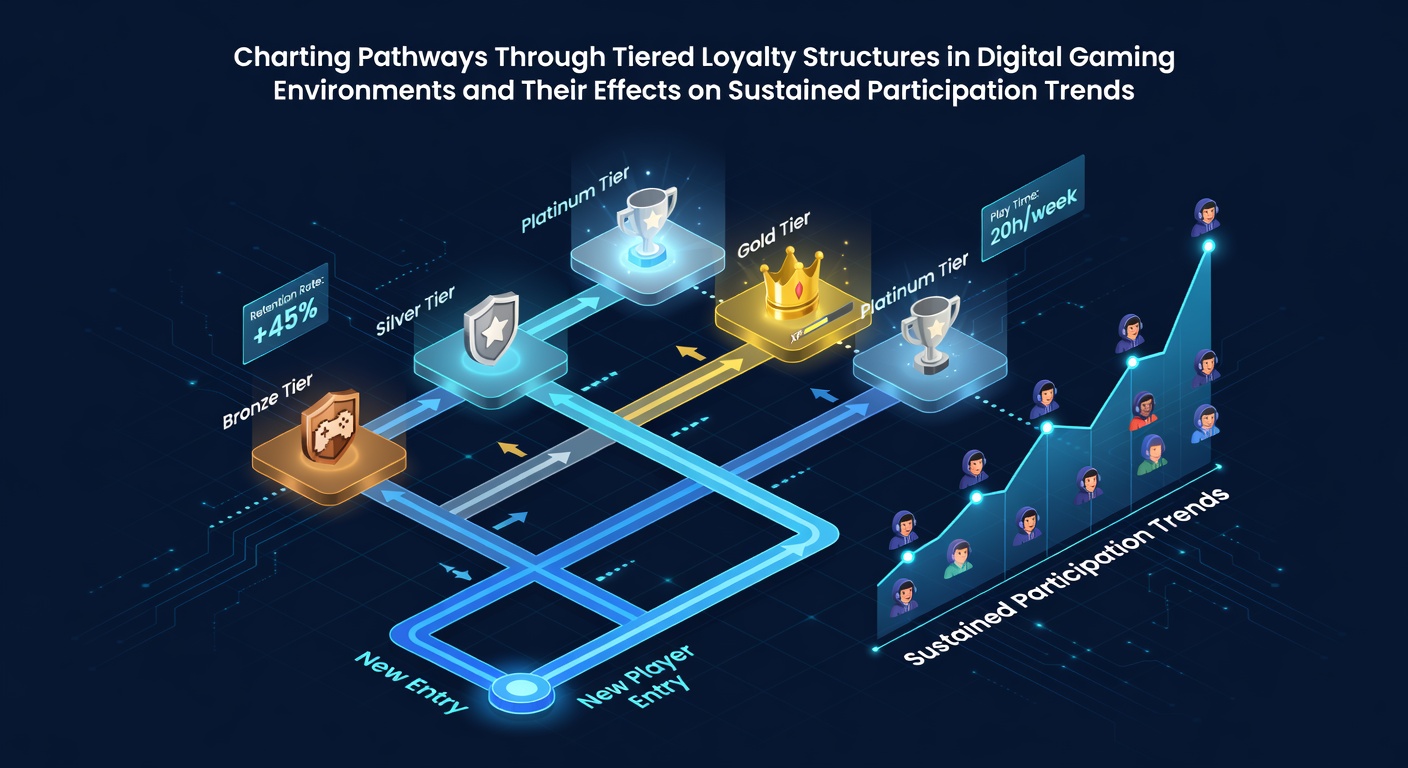
Charting Pathways Through Tiered Loyalty Structures in Digital Gaming Environments and Their Effects on Sustained Participation Trends
Tiered loyalty structures in digital gaming environments organize player rewards into progressive levels where participants advance based on accumulated activity metrics such as play duration, wager volume, and session frequency, and these systems create structured pathways that encourage repeated engagement over extended periods. Observers note that entry-level tiers typically offer basic perks like bonus credits or free spins, while higher tiers unlock exclusive features including personalized promotions, faster withdrawal processing, and dedicated support channels, and this progression model aligns incentives with sustained participation by making advancement feel achievable yet rewarding.
Research from industry reports indicates that players who reach mid-tier status demonstrate retention rates up to 35 percent higher than those remaining at base levels, because the visible milestones provide tangible goals that integrate into regular gaming routines. Data compiled across multiple platforms shows that tier advancement correlates with increased session lengths, since users monitor progress indicators and adjust their habits to unlock subsequent benefits, and analysts track these patterns through aggregated user behavior logs that reveal consistent upticks in weekly logins following tier promotions.
Mechanics of Advancement and Reward Distribution
Platforms implement point-based accumulation systems where each wager or completed game contributes to a running total that determines tier eligibility, and these calculations often reset on monthly or quarterly cycles to maintain ongoing momentum. Those who've examined platform algorithms find that multipliers apply during promotional events, allowing faster climbs for active users, while caps on point earnings prevent rapid saturation at top tiers and preserve exclusivity. External data from the American Gaming Association highlights how integrated mobile notifications alert participants to nearing thresholds, which in turn drives immediate return visits and extends participation streaks.
Case examples from major operators reveal that silver and gold tiers frequently include cashback percentages scaled to activity, alongside invitations to virtual tournaments reserved for elevated members, and these layered incentives compound over time to reinforce habitual play patterns. Researchers discovered through longitudinal studies that users who engage with tier dashboards more than three times per week show stronger loyalty metrics, because the visual feedback loops reinforce commitment without requiring external prompts.
Observed Effects on Long-Term Participation Patterns
Participation trends shift noticeably once players enter structured loyalty frameworks, with sustained activity rising as individuals pursue incremental rewards that accumulate across months rather than isolated sessions. Figures from European gaming analyses indicate a 22 percent lift in average monthly active users on platforms that refreshed tier benefits in early 2026, since updated reward catalogs align more closely with player preferences for variety in bonus types. What's interesting is how lower attrition occurs among tiered participants during off-peak periods, because the promise of maintained status motivates logins even when primary game interest fluctuates.
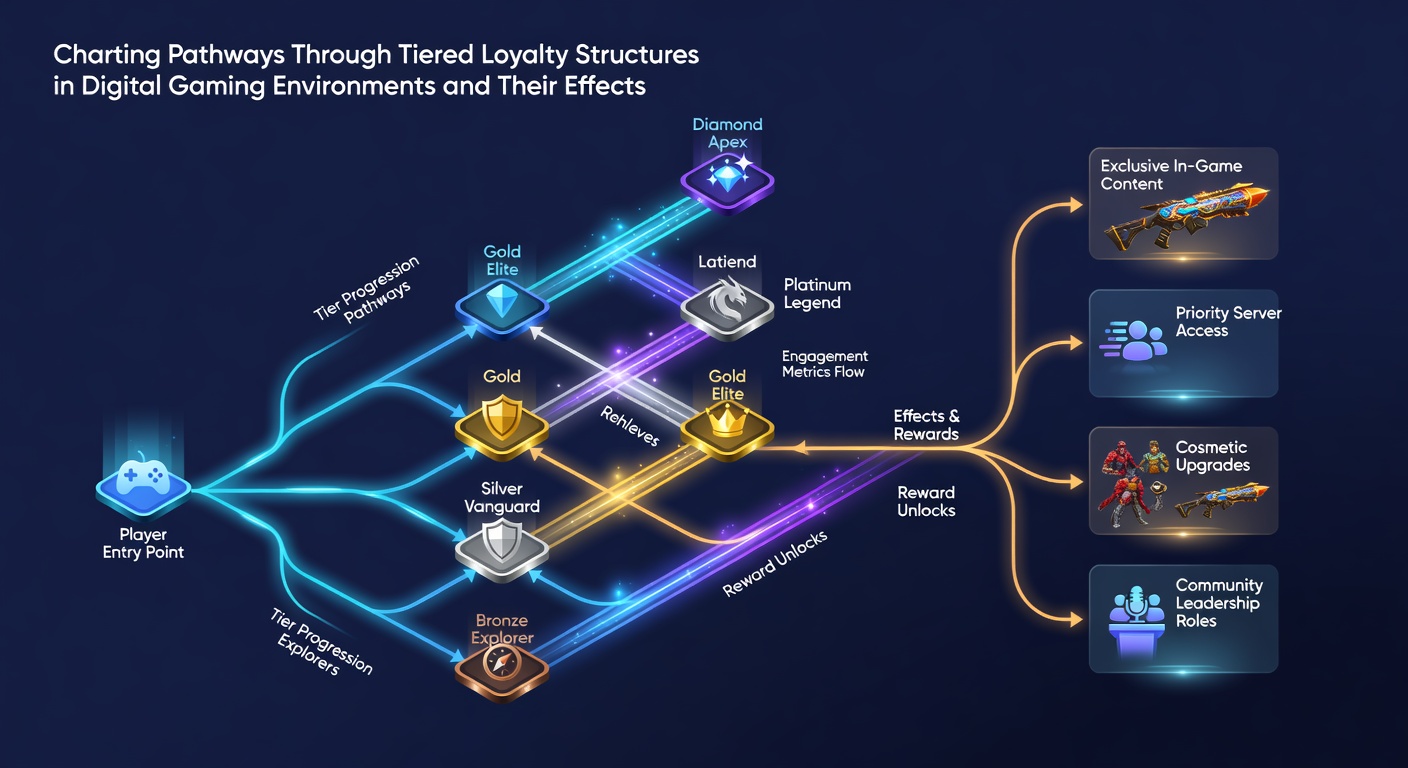
Academic examinations of user cohorts demonstrate that tiered participants maintain accounts active for an average of 14 months longer than non-tiered counterparts, and this extension stems from the psychological anchoring provided by status symbols visible within the interface. Observers track regional variations where North American platforms emphasize competitive leaderboards tied to tiers, whereas Asia-Pacific operators focus on collaborative milestone challenges that distribute group rewards, and both approaches yield measurable gains in repeat engagement according to cross-platform comparisons released in May 2026.
Integration with Broader Platform Ecosystems
Digital environments increasingly link loyalty tiers to ancillary features such as social sharing tools and community events, allowing players to leverage their status for invitations that expand network effects and indirectly boost overall participation. Those monitoring platform updates note that API connections between loyalty data and live dealer modules enable real-time tier recognition during sessions, which heightens immersion and reduces friction in reward redemption processes. Industry organizations like the Canadian Gaming Association report that seamless integration correlates with higher cross-game exploration, since tier benefits often apply universally across titles rather than remaining siloed.
Participation data further reveals that tiered users exhibit diversified gaming portfolios, sampling new releases at rates 18 percent above baseline figures because status perks lower perceived risk in trying unfamiliar mechanics. This diversification sustains interest when individual game popularity wanes, creating resilient activity patterns that persist through seasonal shifts and content updates.
Conclusion
Tiered loyalty structures function as navigational frameworks that guide users through escalating commitments in digital gaming spaces, and their influence on sustained participation emerges through measurable retention uplifts and extended account lifespans documented across multiple datasets. Platforms continue refining these systems based on behavioral analytics that prioritize milestone clarity and reward relevance, which in turn supports consistent engagement trends observed through 2026. The pathways established by these structures ultimately tie individual progress to platform ecosystems in ways that encourage prolonged involvement without mandating uniform play styles.