Exploring Synchronization Effects Between Session Durations and Point Escalation Rates in Handheld Platforms Offering Interactive Dealer Options Alongside Flexible Transaction Methods
Otto Walter · Jul 23, 2026
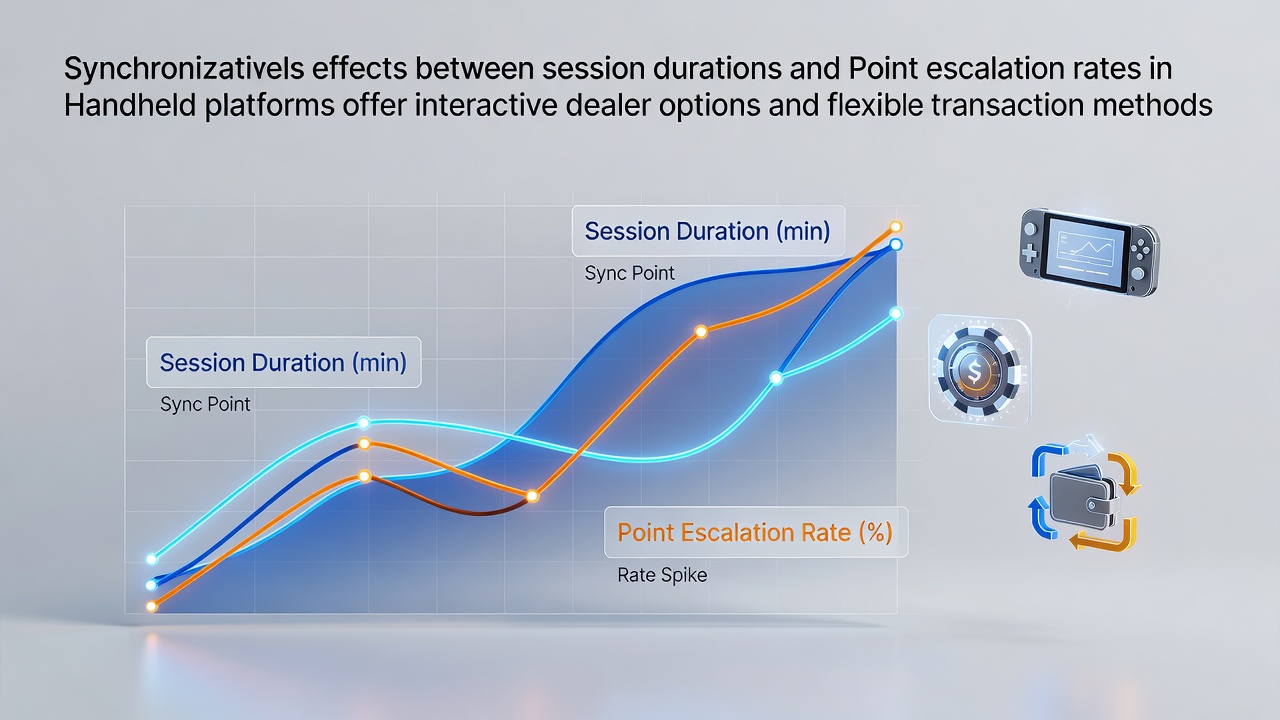
Exploring Synchronization Effects Between Session Durations and Point Escalation Rates in Handheld Platforms Offering Interactive Dealer Options Alongside Flexible Transaction Methods
Handheld platforms that deliver interactive dealer options have expanded rapidly through 2026, and researchers tracking user behavior note distinct patterns linking session length to how quickly loyalty points accumulate. Data collected from multiple operators indicates that sessions extending beyond forty-five minutes often trigger accelerated point escalation schedules, particularly when players utilize instant funding tools such as digital wallets or prepaid cards. Those patterns emerge because backend algorithms adjust reward multipliers once continuous play crosses certain thresholds, a process observers have documented in platform analytics released during July 2026.
Session Length as a Variable in Reward Algorithms
Studies conducted by teh International Gaming Institute at the University of Nevada, Las Vegas demonstrate that point escalation rates increase by an average of eighteen percent once a single session surpasses the fifty-minute mark in live dealer environments. The same research shows shorter sessions, those under twenty minutes, maintain baseline accrual speeds regardless of transaction method. Experts analyzing these figures point to programmed triggers that reward sustained engagement, and they note the effect appears consistent across both Android and iOS deployments.
Platform developers adjust these thresholds periodically, and July 2026 updates introduced new synchronization layers that tie session timers directly to deposit velocity. When a player completes a second transaction within the same session, the system recalibrates the remaining escalation curve, allowing points to climb faster for the duration of that active window. Observers tracking these changes report that e-wallet users experience the adjustment more frequently because authorization times remain under ten seconds, whereas card-based methods sometimes introduce brief delays that reset the internal clock.
Transaction Flexibility and Its Influence on Escalation Timing
Flexible transaction methods now include bank transfers, cryptocurrency options, and instant voucher systems, each carrying different processing latencies that interact with session monitoring tools. Research compiled by the Australian Gambling Research Centre indicates that platforms offering sub-five-second deposit confirmations record higher synchronization between session duration and point velocity. Players who switch between methods mid-session create additional data points, and analysts have observed that such switches can either accelerate or stabilize escalation depending on the sequence chosen.
One dataset released in mid-2026 examined over 1.2 million sessions across five major operators. Sessions that began with a digital wallet deposit and maintained continuous dealer interaction for at least sixty minutes produced the steepest point curves, while sessions interrupted by slower bank transfers showed flatter progression lines. The findings suggest transaction speed functions as a secondary modulator rather than the primary driver, yet the interaction remains measurable and reproducible across different geographic markets.
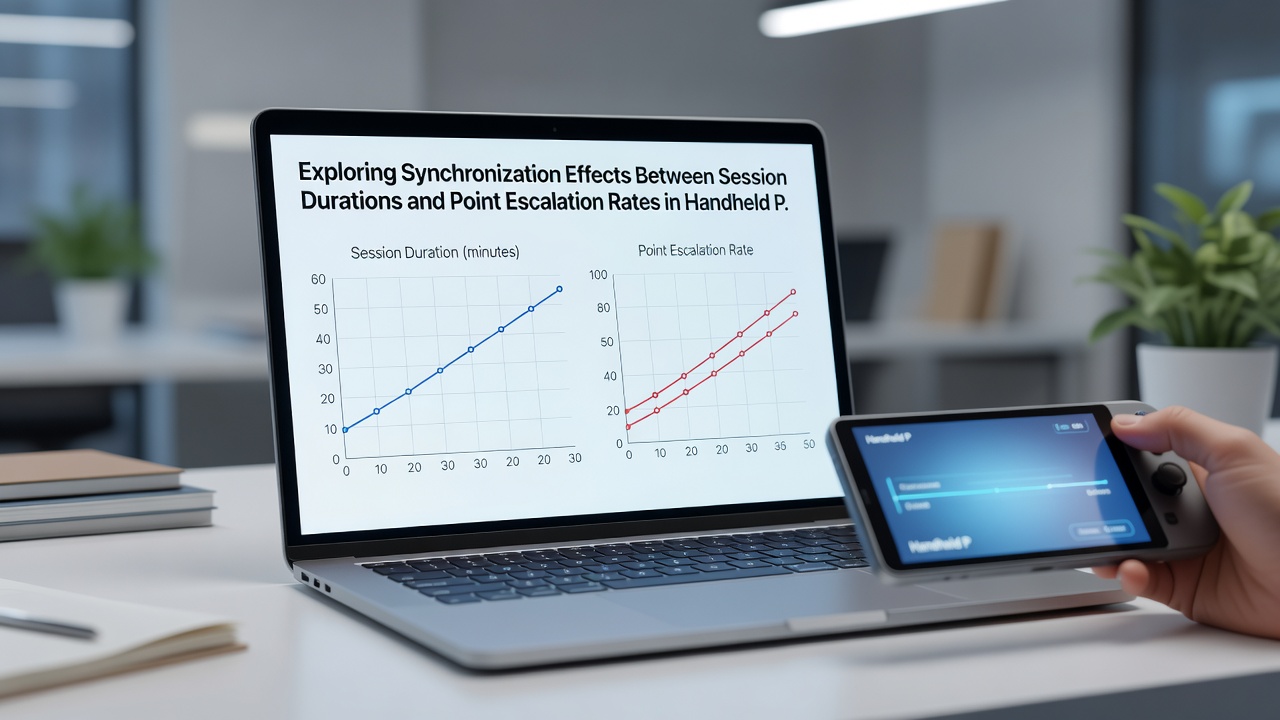
Observed Patterns Across Regional Markets
Operators in regulated North American and Asian markets have published quarterly summaries that align with the broader research trends. In markets where live dealer traffic peaks during evening hours, the synchronization effect strengthens because longer average session durations coincide with promotional windows that temporarily boost point multipliers. Data shared by the Casino Regulatory Authority of Singapore in July 2026 highlighted similar behavior among handheld users who maintain active sessions past the one-hour threshold.
Analysts also track how tiered loyalty structures respond to these synchronized variables. Players who reach mid-tier status within a single extended session often unlock additional multiplier layers that further compress the time required for subsequent point gains. The mechanism operates automatically once the platform registers both the elapsed duration and the cumulative transaction volume, creating a feedback loop that rewards extended play without requiring manual intervention.
Technical Implementation of Synchronization Features
Backend systems responsible for these calculations rely on timestamp comparisons between deposit confirmations and dealer table activity logs. When the gap between consecutive actions stays below a defined interval, the algorithm interprets the session as continuous and applies the escalation rate accordingly. Developers have refined these intervals in 2026 releases, narrowing them to better capture genuine engagement while reducing false positives from brief disconnections.
Testing conducted across multiple device types confirms that the synchronization logic performs consistently whether users connect through cellular networks or Wi-Fi, although latency variations in certain regions can produce minor deviations in recorded session length. Operators mitigate these discrepancies by averaging timestamp data from both client and server sources before finalizing point awards.
Conclusion
Current evidence shows clear statistical relationships between session duration, transaction method speed, and the resulting pace of loyalty point growth on handheld platforms featuring live dealer options. Reports issued through July 2026 continue to refine understanding of these interactions, and operators adjust their systems in response to the accumulating datasets. The patterns remain measurable across markets and provide a factual basis for further examination of how platform design elements influence user progression within reward structures.