How Blockchain Verification Processes Are Redefining Progressive Slot Networks and Reward Programs
Casey Hoffmann · May 16, 2026

How Blockchain Verification Processes Are Redefining Progressive Slot Networks and Reward Programs
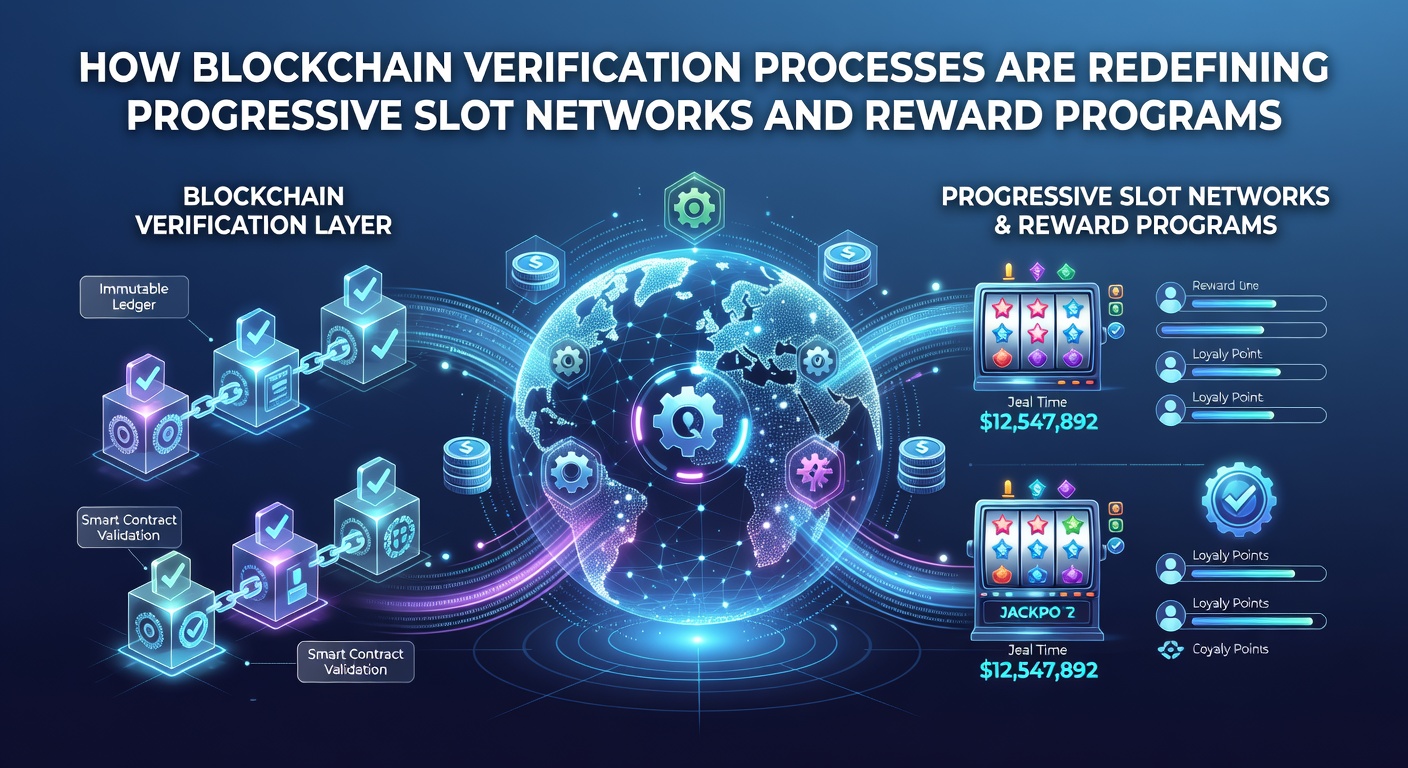
Blockchain verification processes have started reshaping progressive slot networks by introducing immutable records that track every contribution to shared jackpot pools across multiple platforms. Traditional systems relied on centralized servers to calculate and distribute progressive rewards, which created potential points of failure or dispute. Now distributed ledgers record each bet in real time, allowing operators and players to confirm that funds flow accurately into the growing prize without manual intervention. Data from industry monitoring groups shows adoption rates climbing steadily through early 2026, with several major networks completing integration phases during May of that year.
Traditional Progressive Mechanics Meet Distributed Ledgers
Progressive slots pool a small percentage of each wager into a communal jackpot that grows until one player triggers the win. Centralized databases once managed these calculations, leaving room for questions about accuracy during high-volume periods. Blockchain replaces that model with cryptographic hashes and timestamped blocks that link every transaction sequentially. Observers note that this structure eliminates discrepancies because each node in the network holds an identical copy of the ledger, and consensus protocols validate additions before they become permanent. Researchers at several gaming technology centers have documented how these changes reduce reconciliation times from hours to seconds in live environments.
Smart contracts further automate the process by executing payout rules once predefined conditions are met. When a jackpot hits, the contract releases funds according to coded percentages that all participants can audit in advance. This automation extends to reward programs tied to the same networks, where loyalty points convert directly into verifiable tokens rather than database entries that require separate auditing.
Verification Layers in Cross-Platform Networks
Progressive networks that span multiple casinos benefit most from blockchain verification because contributions arrive from diverse sources yet accumulate in one transparent pool. Each participating site submits bet data through standardized APIs that feed into the shared ledger. Verification occurs at the protocol level through mechanisms such as proof-of-stake or delegated consensus, depending on the chain chosen. Figures released by the Canadian Gaming Association in spring 2026 indicated that networks using these methods reported a 40 percent drop in dispute resolution costs compared with the previous year.
Players gain access to public explorers that display current jackpot totals alongside the history of every contributing wager. This visibility extends to reward programs where accumulated points appear as tokenized assets on the same chain. Holders can transfer or redeem these assets across affiliated platforms without waiting for manual balance transfers. The result is a seamless experience where verification happens continuously rather than during periodic audits.
Impact on Reward Program Structures
Reward programs built on blockchain ledgers assign tokens that represent both loyalty value and ownership stake in future jackpots. These tokens carry embedded metadata that records earning source, redemption history, and expiration rules. Because the ledger remains public, players can verify that their balances match the original earning events without contacting support teams. Several operators began rolling out such systems in May 2026, coinciding with updates to regional gaming regulations that recognized blockchain records as valid audit trails.
Interoperability between networks has also expanded. A player earning tokens on one platform can redeem them at another site connected through the same verification layer. This flexibility relies on standardized token protocols that preserve the original verification data during transfers. Industry reports highlight reduced friction for users and lower administrative overhead for operators managing multi-site loyalty schemes.
Regulatory and Technical Considerations Emerging in 2026
Regulators in multiple jurisdictions have begun accepting blockchain verification outputs as primary compliance documentation. The approach aligns with existing requirements for transparent financial reporting while adding cryptographic proof that centralized systems could not provide. Australian gaming authorities, for instance, published updated guidelines in mid-2026 that explicitly reference distributed ledger audits for progressive pools. Similar frameworks are under review in several European markets.
Technical hurdles remain around transaction throughput during peak hours and energy consumption on certain proof-of-work chains. Networks have addressed these issues by shifting to more efficient consensus models or operating permissioned sidechains that still inherit security from public mainnets. Testing data shared at recent technology summits showed latency reductions sufficient to handle thousands of simultaneous bets without compromising verification integrity.
Conclusion
Blockchain verification continues to integrate into progressive slot networks and associated reward programs through immutable transaction records, automated smart contracts, and cross-platform token systems. Developments through May 2026 demonstrate measurable reductions in reconciliation costs and expanded regulatory acceptance across different regions. As more operators adopt these processes, the structure of jackpot accumulation and loyalty tracking shifts from centralized databases toward distributed systems that prioritize verifiable transparency at every step.