Investigating Links Between Funding Source Selection and Achievement Unlocks in Portable Gaming Apps Featuring Interactive Dealer Elements
Casey Perry · Jun 20, 2026
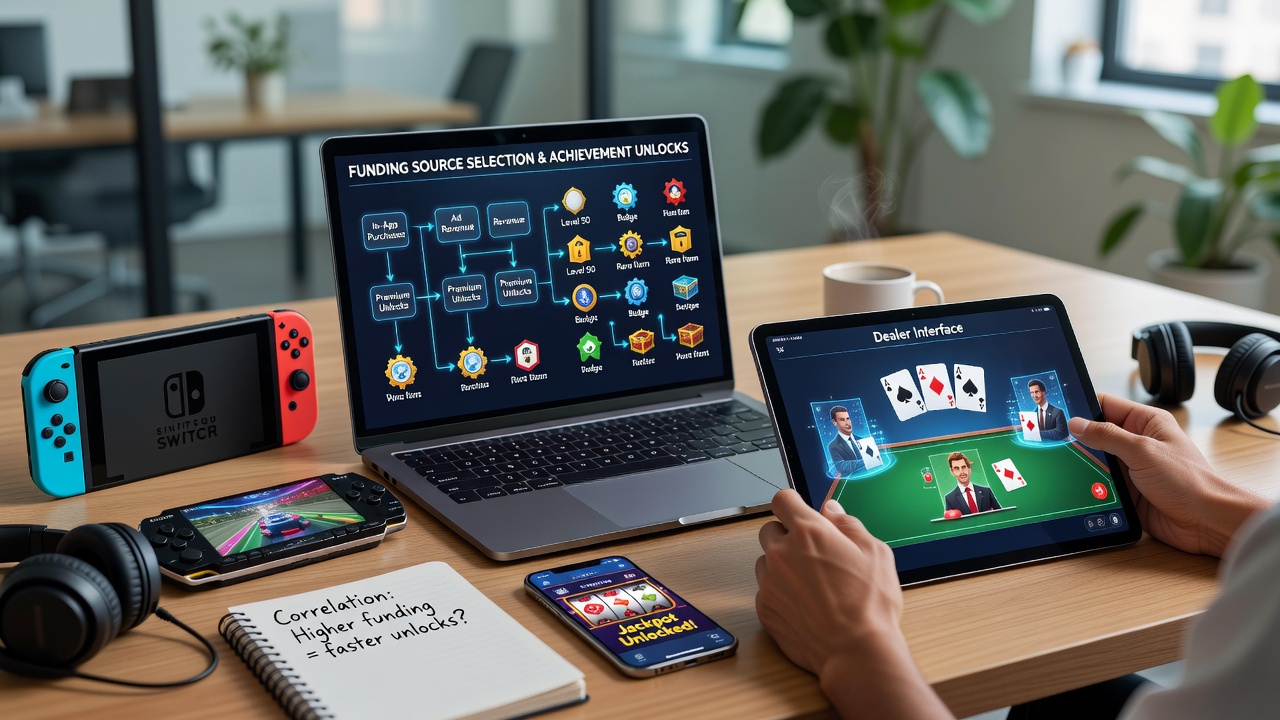
Investigating Links Between Funding Source Selection and Achievement Unlocks in Portable Gaming Apps Featuring Interactive Dealer Elements
Portable gaming apps that feature interactive dealer elements have expanded rapidly in recent years, and researchers continue to examine how choices in funding sources connect to patterns of achievement unlocks within these platforms. Funding source selection typically involves options such as bank transfers, digital wallets, credit cards, or cryptocurrency services, each carrying distinct processing times and verification requirements that can influence player progression through reward tiers.
Data from multiple app analytics platforms indicate that users who select instant-deposit methods often reach initial achievement milestones more quickly than those relying on slower transfer options. Studies conducted by academic teams at institutions like the University of Nevada, Las Vegas track these sequences by logging deposit timestamps alongside unlock events in live dealer simulations. Observers note that verification delays associated with certain traditional banking routes sometimes postpone access to bonus rounds or level advancements by several hours or even days.
Payment Pathways and Progression Mechanics
Apps incorporating real-time dealer interactions frequently tie achievement systems to deposit frequency, volume, and method type. For instance, platforms may award points for completing tableside challenges that scale with the speed of fund arrival, creating measurable differences based on whether players use e-wallet services or direct card authorizations. Reports compiled in early 2026 highlighted cases where cryptocurrency deposits correlated with accelerated progression in apps operating across North American and European markets.
Those who have analyzed user behavior datasets point out that achievement unlocks often cluster around periods of high deposit activity, yet the specific funding channel appears to moderate the timing of these events. A review released through the American Gaming Association in June 2026 presented aggregated figures showing variance in unlock rates across payment categories, with digital wallet users recording higher completion percentages for early-stage milestones compared to wire transfer participants.
Regional Patterns in Funding and Unlock Data
Geographic differences emerge when examining how regulatory environments shape available funding options and subsequent achievement dynamics. In jurisdictions with streamlined licensing for digital payments, players encounter fewer interruptions between deposit confirmation and access to dealer-hosted tables, which in turn aligns with steadier advancement through reward structures. Australian regulatory summaries from the past year documented similar trends among mobile users who favored local instant payment rails.
Meanwhile, apps serving multiple regions must accommodate varying compliance rules that affect funding speed and verification depth. Researchers tracking these variables have observed that achievement systems designed with flexible thresholds accommodate a wider range of funding sources without penalizing users who encounter regional banking restrictions. This flexibility appears in platform updates rolled out during spring 2026, where developers adjusted milestone criteria to account for processing differences.
Technical Integration of Deposits and Rewards
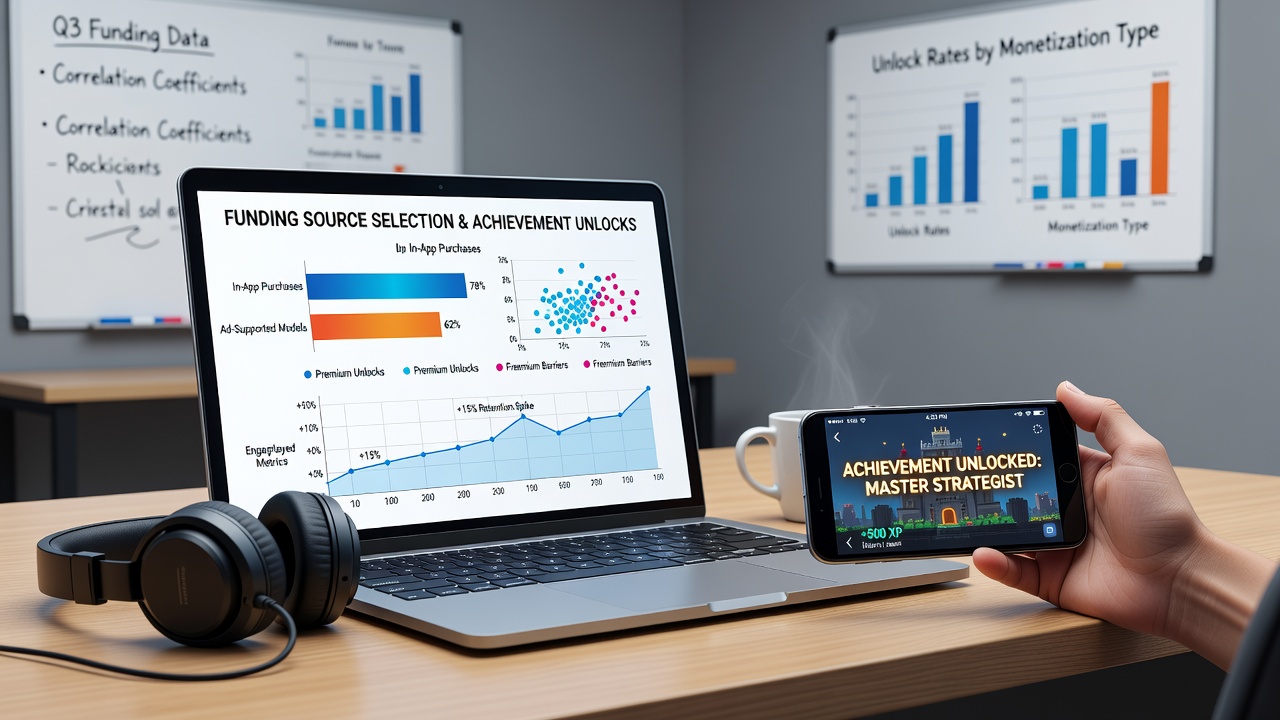
Behind the scenes, app developers integrate payment gateways directly with achievement engines so that transaction confirmations trigger progress markers in real time. When a funding source completes authorization within seconds, the system registers the event and applies corresponding unlocks, such as expanded table access or dealer interaction bonuses. Slower sources require additional logging steps that can separate the deposit action from immediate reward delivery.
Case examples from development teams illustrate how API connections between payment processors and game servers minimize latency for certain channels while introducing buffers for others. These technical distinctions produce observable disparities in unlock velocity, particularly in apps that emphasize continuous live dealer sessions. Figures released by industry monitoring groups reveal that apps optimizing for multiple funding types maintain higher overall retention metrics across diverse user bases.
Future Monitoring and Data Collection
Continued investigation into these connections relies on expanded data sharing between app operators and independent research bodies. Plans outlined for the second half of 2026 include longitudinal studies that follow individual accounts over multiple funding cycles to isolate method-specific effects on achievement patterns. Such efforts aim to clarify whether observed differences stem primarily from processing characteristics or from user demographics that correlate with particular payment preferences.
Conclusion
Links between funding source selection and achievement unlocks in portable gaming apps with interactive dealer elements rest on measurable factors including processing speed, verification requirements, and platform integration design. Available datasets from academic and industry sources demonstrate consistent patterns across regions, while ongoing technical refinements continue to shape how these elements interact. As mobile platforms evolve through 2026 and beyond, further analysis will refine understanding of these relationships without assuming uniform outcomes across all user groups.