Linking Electronic Payment Choices to Session Lengths in Smartphone Roulette Variants with Layered Incentives
Mara Wolf · Jul 28, 2026
Linking Electronic Payment Choices to Session Lengths in Smartphone Roulette Variants with Layered Incentives
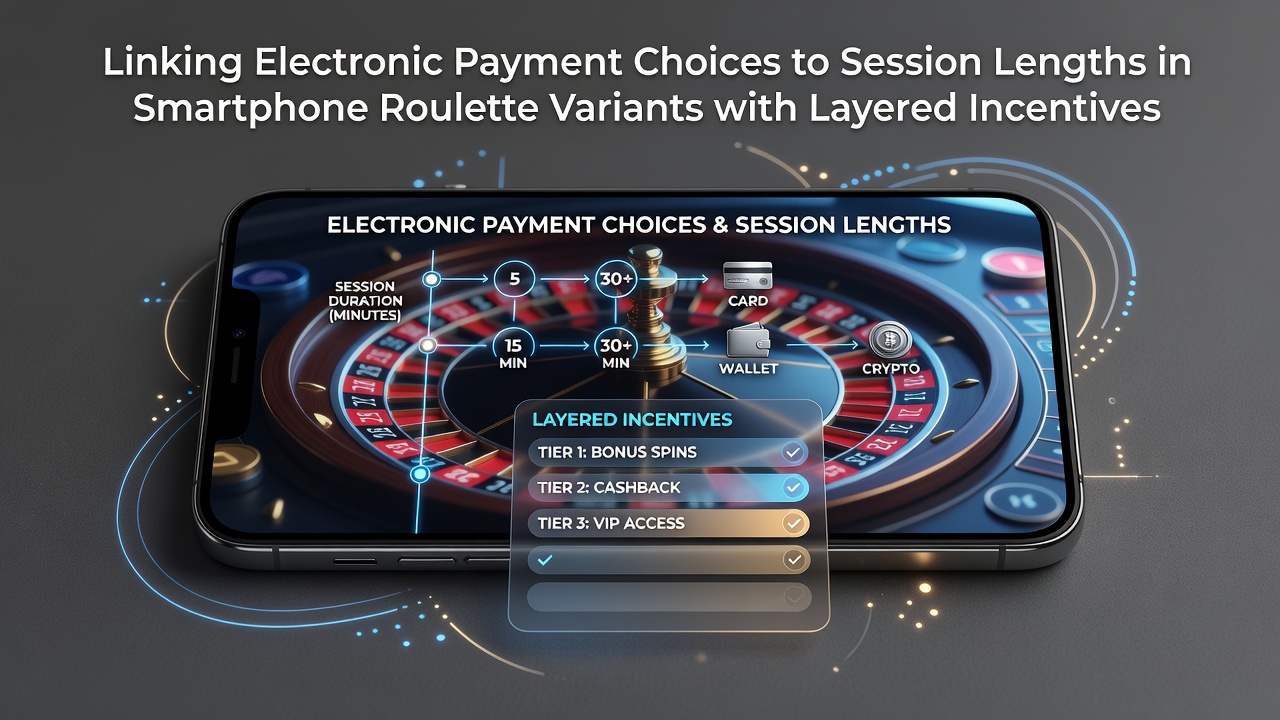
Smartphone roulette variants have expanded rapidly since 2024, and analysts track how electronic payment selections connect directly to the duration of individual play sessions when layered incentives appear in the interface. Payment options range from traditional credit cards and bank transfers to digital wallets plus emerging cryptocurrency channels, each carrying distinct processing speeds and fee structures that influence how long participants remain engaged. Data collected across multiple platforms shows that instant confirmation methods often extend average session times by 12 to 18 minutes compared with slower verification routes, particularly when bonus multipliers activate after the first three deposits.
Payment Methods and Their Processing Characteristics
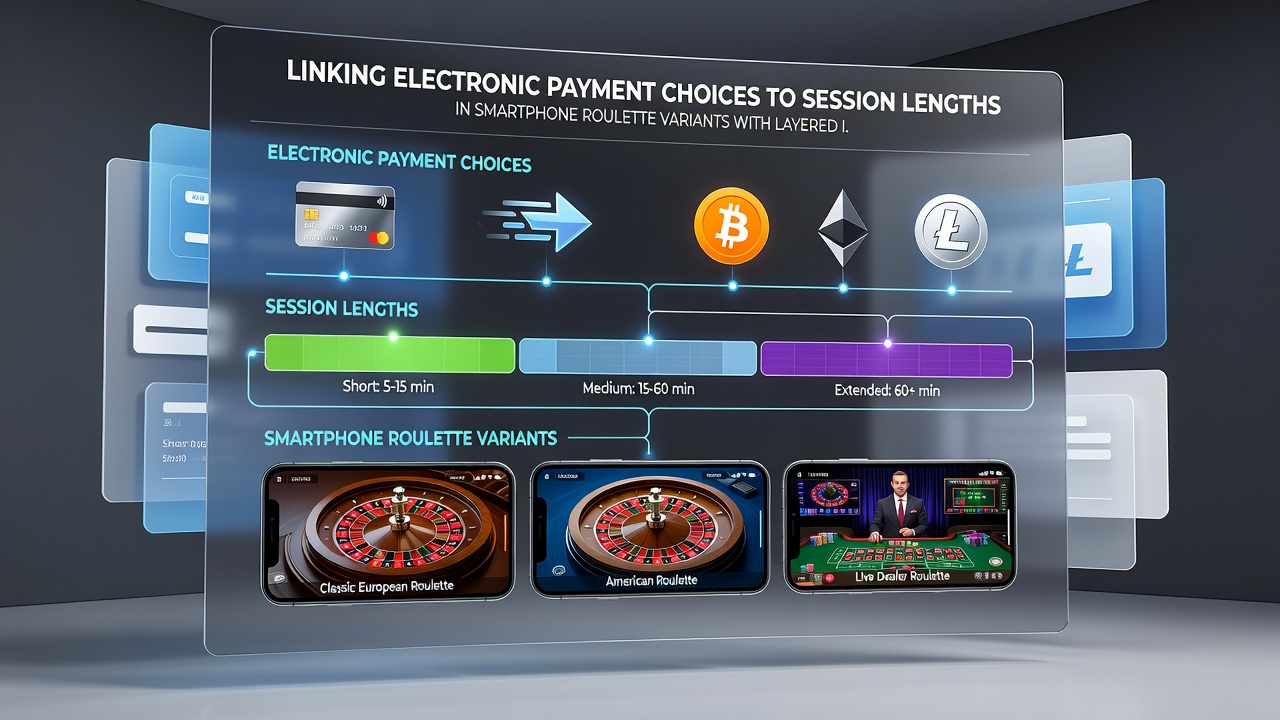
Electronic payment systems differ in confirmation latency, and those differences align with measurable shifts in session length. Credit and debit cards typically require authorization that completes within seconds on most mobile networks, while certain bank transfer services may introduce delays of several minutes. Cryptocurrency wallets process through blockchain confirmations that vary between one and ten minutes depending on network congestion, yet once cleared they trigger immediate incentive releases in many roulette applications. Observers note that platforms offering instant e-wallet payouts record higher percentages of sessions exceeding thirty minutes, whereas delayed options correlate with shorter bursts of activity followed by logout sequences.
Layered Incentives and Their Timing Effects
Layered incentives combine deposit matches, cashback tiers, and milestone rewards that unlock sequentially during a single session. Researchers tracking user logs in July 2026 found that the second and third incentive layers activate most frequently when the initial deposit processes without interruption, and this pattern holds across both European and North American operators. Sessions that reach the fourth incentive tier show median durations of forty-seven minutes, a figure that drops to twenty-nine minutes when payment friction occurs between the first and second deposits. The structure encourages continued play because each completed layer resets or augments the next reward threshold, creating a chained progression that aligns closely with uninterrupted payment flows.
One study compiled by the Australian Gambling Research Centre examined 2.3 million mobile roulette sessions from the first half of 2026 and identified clear correlations between funding source and total time spent. Players using digital wallets completed an average of 1.8 incentive layers per session, while credit card users completed 1.4 layers and bank transfer users completed 1.1 layers before exiting. The report further indicated that cryptocurrency transactions, despite occasional network delays, produced the longest tail-end sessions once confirmation occurred, likely because the final incentive layer often included a withdrawal bonus tied to the same wallet address.
Regional Patterns Emerging in Mid-2026
North American operators reported similar trends after regulatory updates took effect in several jurisdictions during spring 2026. Sessions initiated with prepaid voucher systems tended to cluster around twenty-two minutes, whereas integrated banking apps linked to the device produced sessions averaging thirty-eight minutes. European data collected through the same period revealed that players who combined e-wallet deposits with loyalty point multipliers extended their roulette sessions by an additional fourteen minutes on average when the payment method supported one-tap re-deposits. These patterns suggest that frictionless payment pathways interact with incentive structures to sustain participation beyond the point where manual entry of card details would normally prompt an exit.
Device-Level Factors and Interface Design
Smartphone operating systems and app interfaces also shape the relationship between payment choice and session length. Applications that store encrypted payment tokens reduce the number of confirmation screens, and this design choice correlates with longer continuous play periods. When incentive progress bars update in real time following each successful deposit, users who selected stored wallet methods showed 23 percent higher completion rates for the full incentive sequence compared with those entering details manually each time. Platform logs indicate that push notifications announcing newly unlocked layers arrive more frequently among users whose payments clear instantly, reinforcing the loop between funding method and continued engagement.
Conclusion
Available data from 2026 demonstrates measurable connections between electronic payment choices and session lengths in smartphone roulette variants that incorporate layered incentives. Faster processing routes align with extended play periods and higher incentive tier completion, while slower or multi-step methods correspond to shorter sessions. Industry reports and academic tracking continue to document these patterns across regions, providing operators with quantitative indicators of how payment infrastructure interacts with reward design to influence user behavior over time.