Maryland's SB 885 Gamble: Online Casinos Head to 2026 Voter Ballot
Casey Perry · Apr 21, 2026
Maryland's SB 885 Gamble: Online Casinos Head to 2026 Voter Ballot
The Push Behind Senate Bill 885
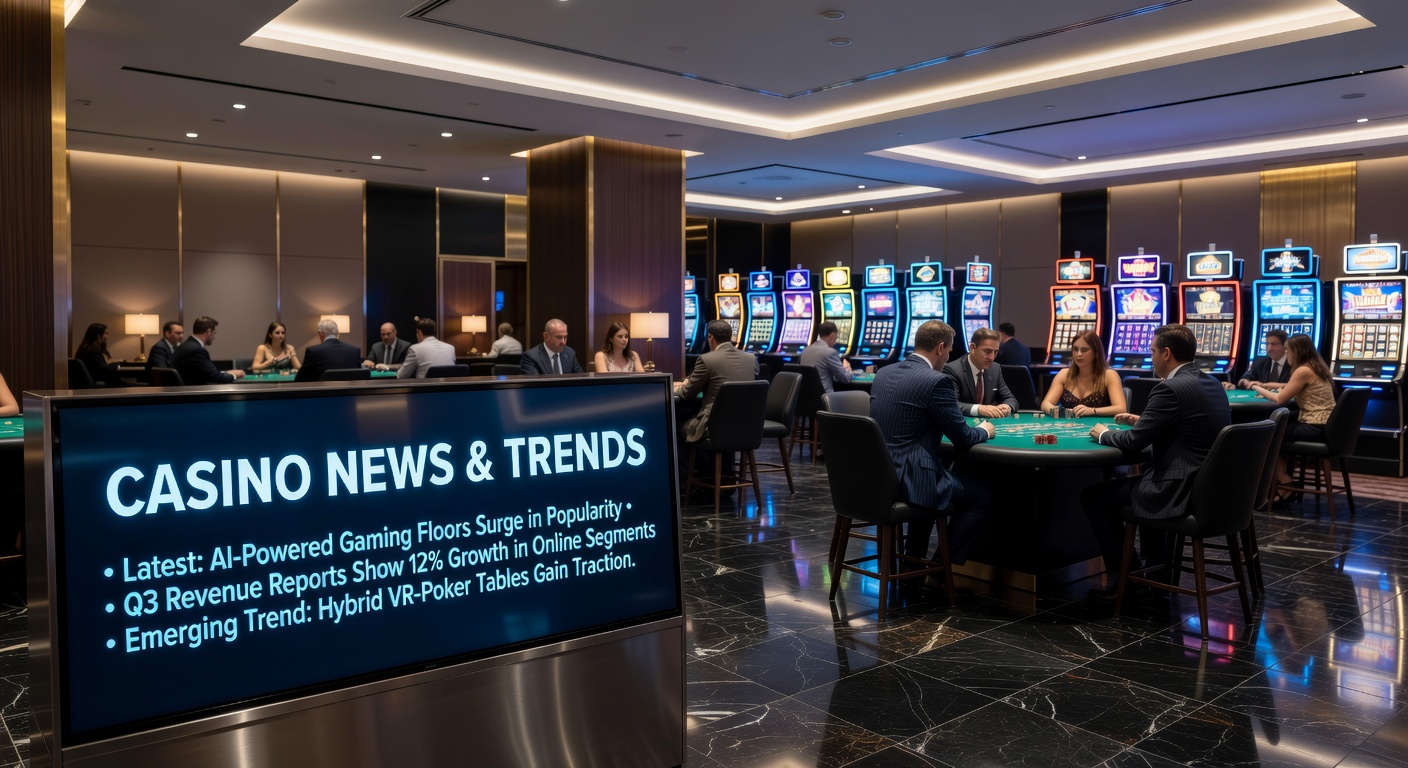
Lawmakers in Maryland have started advancing Senate Bill 885, or SB 885, a measure that proposes sending the question of legalizing online casino gaming, known as iGaming, straight to voters in a statewide referendum come November 2026; this approach sidesteps direct legislative approval, letting the public decide if virtual slots, table games, and similar offerings can launch in the Old Line State, and it builds on Maryland's existing framework where sports betting went live back in 2022 alongside six brick-and-mortar casinos dotting the landscape from Perryville to Ocean City.
What's interesting here is how the bill layers in safeguards right from the start, creating a $10 million fund specifically earmarked to assist casino workers potentially displaced by the shift to online play; operators would contribute to this pot, ensuring those in live dealer roles or floor positions at physical venues get support through training programs or relocation aid, while requirements for labor peace agreements aim to keep unions and management on the same page, preventing strikes or work stoppages that could disrupt the industry as iGaming rolls out if approved.
And then there's the carrot for operators willing to invest locally: financial incentives kick in for those building in-state live dealer studios, including slashed license fees and reduced taxes on revenue generated from those streams, which could draw companies to set up shop in Maryland rather than outsourcing to cheaper locales; observers note this setup mirrors strategies in states like Pennsylvania and New Jersey, where live dealer tech has created hundreds of jobs and funneled millions back into local economies.
Breaking Down the Bill's Core Provisions
Senate Bill 885 doesn't just float the idea of iGaming; it spells out a detailed roadmap, mandating annual impact studies on how online gaming affects brick-and-mortar casinos, with regulators tasked to track revenue shifts, employment numbers, and tourist footfall at places like Horseshoe Baltimore or Live! Casino & Hotel, ensuring data drives any future tweaks to the system; these studies, due yearly if the measure passes, would paint a clear picture of whether online play cannibalizes live venues or complements them, much like how sports betting has boosted overall handle without gutting retail sportsbooks.
Take the regulatory split, for instance: the bill carves out separate frameworks for online casino gaming and online poker, recognizing their distinct player bases and operational needs; poker rooms would operate under dedicated licensing, while iGaming covers everything from blackjack to roulette in digital form, and this dual-track approach prevents one sector from overshadowing the other, allowing poker enthusiasts their standalone space even as slots dominate the broader market.
- A $10 million worker displacement fund, funded by operator contributions, targets training and support for affected employees.
- Labor peace agreements become mandatory, locking in no-strike pacts between unions and licensees.
- In-state live dealer incentives offer lower fees and taxes, spurring studio builds that employ local talent.
- Annual studies monitor physical casino health, feeding data into ongoing oversight.
- Distinct regs for iGaming versus poker keep operations tailored and efficient.
But here's the thing: all this hinges on voter approval in November 2026, a timeline that gives stakeholders time to rally support or mount opposition, especially as Maryland eyes fiscal boosts from licensing fees, taxes on gross gaming revenue, and ancillary spending; projections from similar markets suggest iGaming could generate tens of millions annually, though exact figures for Maryland remain fluid until the ballot lands.
Sponsorship and Parallel Legislation
Sen. Ron Watson steps up as the primary sponsor for SB 885, championing this voter-driven path amid growing calls to expand Maryland's gaming portfolio; his backing aligns with a broader push in Annapolis, where House Bill 518 runs parallel, focusing on beefed-up protections for sports bettors like enhanced responsible gaming tools and stricter operator accountability, yet the two bills operate independently, with SB 885 carving its own lane toward online casinos without overlapping into sports wagering tweaks.
Turns out, this tandem effort reflects the legislature's piecemeal strategy on gaming evolution; Watson's bill gained traction in committee hearings where stakeholders from casinos, unions, and tech firms weighed in, highlighting how iGaming could capture Maryland's mobile-savvy population—estimated at over 80% smartphone penetration—while channeling funds to education and infrastructure, just as sports betting revenue already does to the tune of $100 million-plus yearly.
People who've followed Maryland gaming know the state's cautious stance; voters greenlit expanded gambling in 2020, paving the way for sportsbooks and table games, but online casinos represent the next frontier, and SB 885's referendum clause puts the ball squarely in the public's court, potentially avoiding the gridlock that stalled similar efforts elsewhere.
Timeline and Road to the Referendum
Advancement of SB 885 picks up steam now, with full Senate passage eyed before the session wraps, sending it to the House for review; if cleared there, the constitutional amendment process kicks off, landing the iGaming question on ballots for November 2026, a date that syncs with midterm elections for maximum turnout, and along the way, public hearings and fiscal notes will flesh out projections, perhaps spotlighting April 2026 as a milestone for final regulatory drafts if momentum holds.
So, by spring 2026, operators might already scout sites for live dealer studios, unions negotiate peace deals, and analysts crunch early data on peer states' iGaming performance; Pennsylvania, for one, raked in $170 million from iGaming taxes last year alone, while New Jersey hit $500 million, figures that underscore the stakes as Maryland weighs entry.
That's where the rubber meets the road: opponents, often tied to land-based casinos, argue online play siphons revenue—studies from those markets show a 10-15% dip in some physical slots—but proponents counter with data indicating overall growth, as digital options lure new players who later visit live floors; annual impact reports in SB 885 would settle such debates with Maryland-specific evidence, year after year.
Casino Worker Protections in Focus
One case that experts point to involves Michigan's iGaming launch, where a similar fund mitigated job losses by retraining 500-plus workers for online roles; Maryland's $10 million pool follows suit, scaled to its six casinos employing around 10,000, and labor peace mandates echo successful pacts in Atlantic City, where they've curbed disruptions for over a decade.
Broader Industry Ripples
Should voters say yes in 2026, Maryland joins a club of 10-ish states with iGaming, each tailoring regs to balance growth and safeguards; the bill's in-state studio incentives could spawn facilities rivaling Evolution Gaming's setups in other markets, employing dealers versed in both live and virtual formats, while separate poker frameworks ensure sites like WSOP.com adapt seamlessly without competing head-on with casino apps.
Now, as the bill moves forward, stakeholders watch closely; brick-and-mortar operators like Caesars and Penn Entertainment, already entrenched in Maryland, lobby for those impact studies to safeguard their $1 billion-plus annual haul, and tech providers eye partnerships, knowing reduced taxes on live revenue sweeten the deal for local builds.
It's noteworthy that this voter referendum sidesteps legislative fights, letting demographics—younger, urban voters more open to online gaming—shape the outcome, and with sports betting normalized, the leap to iGaming feels less like rocket science and more like a natural progression.
Conclusion
Senate Bill 885 positions Maryland at a crossroads, advancing a comprehensive package that ties online casino legalization to voter will in November 2026, complete with worker funds, labor pacts, investment perks, rigorous studies, and bifurcated regs for iGaming and poker; sponsored by Sen. Ron Watson amid House Bill 518's sports betting safeguards, the measure promises data-driven evolution if approved, capturing revenue streams while protecting established interests, and as committees deliberate, the path to the ballot clarifies, potentially transforming gaming in the Free State by decade's end.