Mosquito Grizzly Bear’s Head Lean Man First Nation Advances $100 Million Casino Resort Project in North Battleford
Casey Perry · Apr 16, 2026
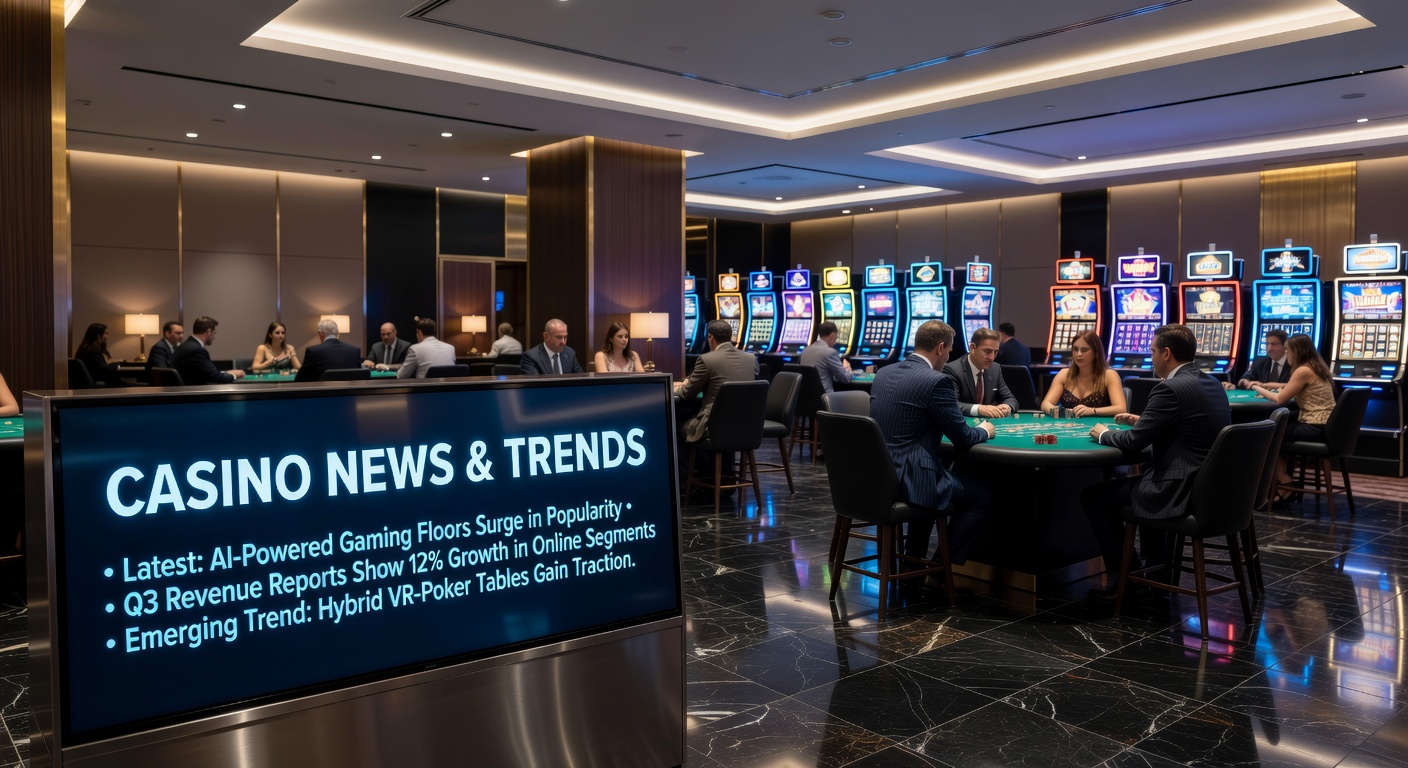
Mosquito Grizzly Bear’s Head Lean Man First Nation Advances $100 Million Casino Resort Project in North Battleford
Communities in Saskatchewan's Battlefords region buzzed with updates on April 14, 2026, when Mosquito Grizzly Bear’s Head Lean Man First Nation (MGBHLM) shared significant progress on its ambitious $100 million casino resort project during a packed community meeting; this development, centered in North Battleford, promises to reshape local tourism and employment landscapes while building on federally returned lands.
The Announcement at the Community Meeting
Attendees gathered in North Battleford on that crisp spring evening, April 14, 2026, to hear directly from MGBHLM leaders about the casino resort's forward momentum; representatives outlined key milestones achieved so far, emphasizing how the project relocates the longstanding Gold Eagle Casino to a more expansive site, adds a modern hotel tower, and incorporates a state-of-the-art convention center—all designed to draw crowds from across Canada and beyond.
What's interesting here is the timing; with construction phases ramping up, the nation highlighted partnerships with federal authorities who returned the land, ensuring the project aligns with Indigenous sovereignty and economic self-determination goals that experts have long observed in similar ventures.
Project Components and Scope
The core of this initiative involves uprooting the existing Gold Eagle Casino—known for years as a regional gaming staple—and repositioning it within a larger resort complex; alongside the casino floors packed with slots, table games, and live entertainment, planners envision a 200-plus room hotel offering river views of the Battle River, plus a convention center capable of hosting events for up to 1,000 guests at once, complete with ballrooms and breakout spaces.
And the scale doesn't stop there: developers project the full site will span over 20 acres on the federally designated lands just outside North Battleford, incorporating green spaces, parking for thousands, and dining options ranging from quick-service outlets to upscale restaurants featuring local Indigenous cuisine; figures from the announcement reveal expectations of 500,000 annual visitors, turning what was once quiet prairie turf into a bustling destination.
Economic Impacts and Job Creation
Numbers tell a compelling story; the project stands to generate over 350 construction jobs in its initial phases—positions filled by local tradespeople skilled in everything from foundation pouring to interior fit-outs—while transitioning into 400 permanent roles once doors open, covering dealers, hospitality staff, maintenance crews, and management, many prioritized for MGBHLM members and nearby residents.
But here's the thing: those jobs carry ripple effects; suppliers for building materials, food vendors, and service providers in North Battleford and Battleford will see steady business inflows, with data indicating casino resorts often boost surrounding economies by 20-30% through indirect spending, although specifics for this site await full operational stats.
Take one comparable case where a Manitoba First Nation casino launched similar expansions; observers noted sustained employment gains persisting years later, suggesting MGBHLM's venture could anchor long-term prosperity in a region where resource sectors fluctuate wildly.
Location on Federally Returned Lands
North Battleford's strategic spot along Highway 40, just minutes from Saskatoon via smooth provincial roads, positions the resort perfectly; the federally returned lands—once part of historic treaty territories—provide a culturally resonant foundation, allowing MGBHLM to develop without urban zoning hurdles that snag other projects.
It's noteworthy that this land return, formalized years prior, enabled teh Gold Eagle Casino's original build; now, expanding there honors that legacy while amplifying it, with environmental assessments confirming minimal wetland impacts and commitments to restore native grasses around the perimeter.
People who've studied prairie developments know access matters; proximity to the Yellowhead Highway means easy drives for Alberta gamblers, plus airport shuttles from Saskatoon could funnel fly-in crowds, making 500,000 visitors not just a goal, but a feasible projection based on current regional tourism data.
Community Engagement and Next Steps
At the April 14 meeting, questions flowed freely—residents probed timelines, inquiring about opening dates projected for late 2028, and leaders responded with transparency, sharing renderings of the hotel's glass facade adn casino's neon-lit entrance; feedback sessions like this one underscore MGBHLM's approach, incorporating input on everything from shuttle services to cultural programming featuring Cree artists.
So, while construction crews mobilize for site prep this summer, regulatory nods from Saskatchewan's gaming authority remain on track; those who've followed First Nation-led casinos point out swift approvals often follow when economic benefits align this clearly with provincial priorities.
Turns out, partnerships extend further; equipment leases from local firms and training programs with North West College will upskill workers, ensuring the 350 construction slots go to those ready to hit the ground running.
Broader Context in Saskatchewan Gaming
Saskatchewan's casino scene, dotted with spots like Casino Regina and Living Sky Casino in Swift Current, gains a fresh player here; MGBHLM's resort differentiates through its convention angle, targeting corporate retreats and weddings alongside gaming, which data shows drives 40% higher midweek occupancy in hybrid properties.
Yet the real draw lies in Indigenous ownership; communities observe how such projects repatriate revenues—estimated at tens of millions annually—back into health services, education, and elder care for MGBHLM, closing loops that colonial histories strained.
One study on similar Alberta resorts revealed visitor spends averaging $250 per trip; applied here, that 500,000 figure translates to substantial provincial tax hauls, all while keeping primary profits on-reserve.
Challenges and Safeguards
No large build escapes hurdles; weather delays in Saskatchewan winters pose risks, yet planners built in buffers, scheduling heavy earthworks for milder months; addiction support integrates too, with on-site counseling linked to provincial hotlines, mirroring protocols at existing Gold Eagle operations.
That's where the rubber meets the road: balancing growth with responsibility, as experts emphasize in every resort rollout.
Conclusion
Mosquito Grizzly Bear’s Head Lean Man First Nation's April 14, 2026, announcement marks a pivotal stride for the $100 million casino resort in North Battleford; by relocating Gold Eagle Casino, erecting a hotel and convention center on sacred returned lands, and forecasting 350 construction jobs alongside 400 permanent ones plus 500,000 yearly visitors, the project cements economic footholds in Saskatchewan's north.
Observers anticipate groundbreaking soon, with full operations reshaping the Battlefords' skyline and livelihoods; as details unfold, this venture stands as a testament to strategic Indigenous development, one phase at a time.