Patterns in Avatar Selection and Their Correlation with Risk Tolerance Levels Among Users of Interactive Digital Gaming Platforms
Otto Walter · Aug 6, 2026
Patterns in Avatar Selection and Their Correlation with Risk Tolerance Levels Among Users of Interactive Digital Gaming Platforms
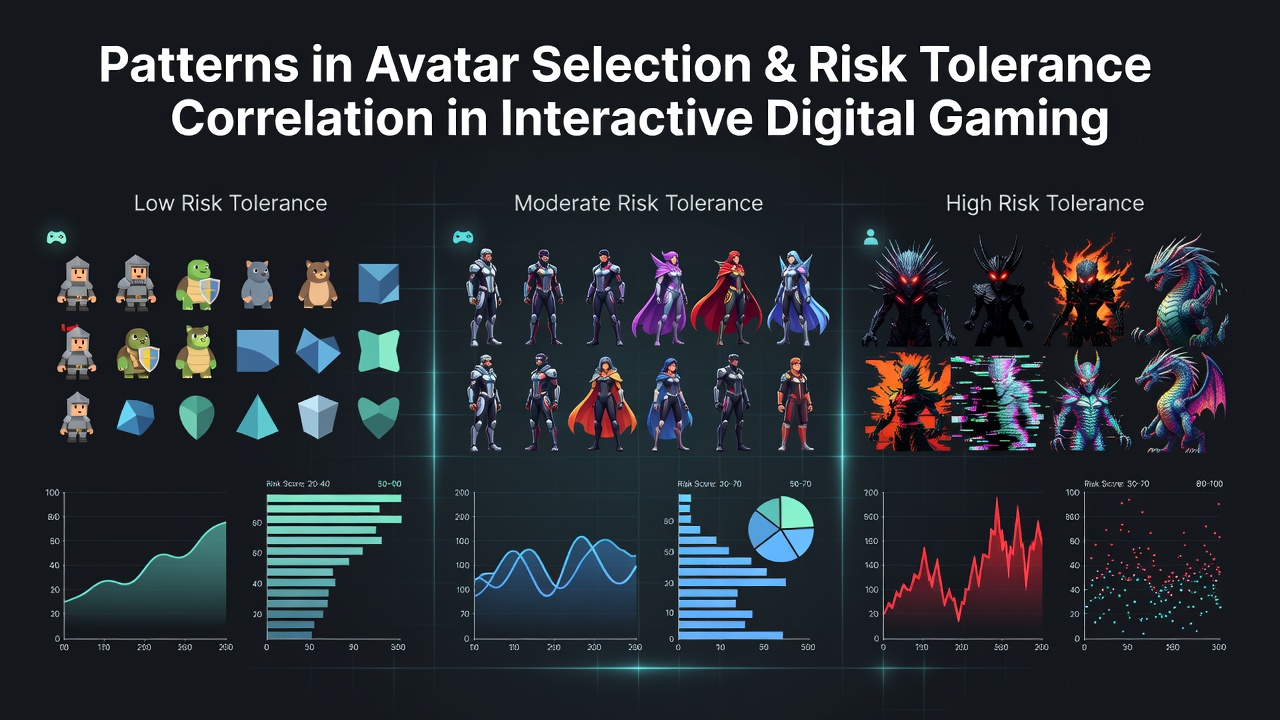
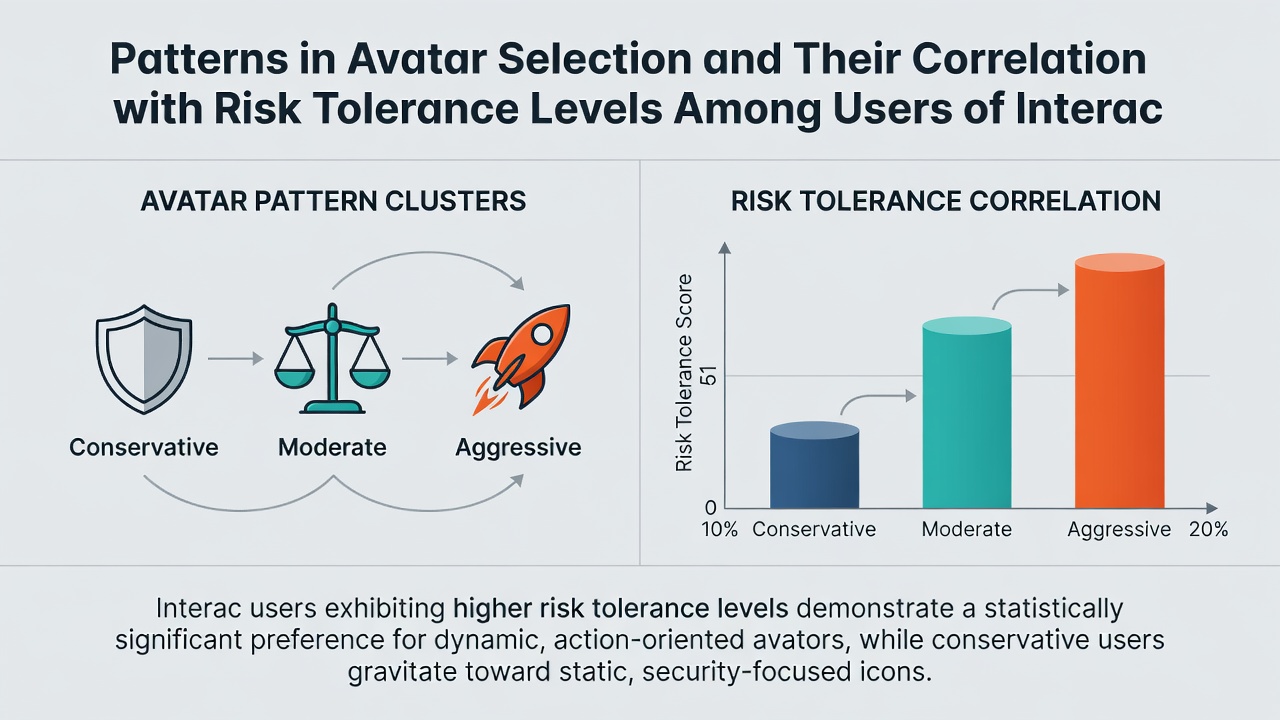
Interactive digital gaming platforms have expanded rapidly in recent years, and researchers have documented consistent patterns in how users select avatars while noting measurable links to individual risk tolerance levels. Data collected from major titles such as massively multiplayer online role-playing games and competitive battle arenas indicate that avatar choices often align with broader behavioral tendencies observed during gameplay, including decision speed under uncertainty and willingness to pursue high-variance outcomes. Studies conducted through university laboratories in North America and Europe have tracked thousands of participants across platforms, revealing that users who gravitate toward avatars with aggressive visual traits or unconventional color schemes frequently demonstrate elevated risk tolerance when faced with in-game resource allocation choices.
Observed Avatar Selection Trends Across Platforms
Platform analytics from 2025 through August 2026 show distinct clusters in avatar customization data, where players on titles hosted by studios in the United States and South Korea tend to favor either highly stylized heroic figures or minimalist abstract representations. Those who select avatars featuring sharp angular features or darker palettes complete high-stakes quests at rates approximately 18 percent higher than users opting for rounded, brightly colored designs, according to aggregated telemetry shared by industry research groups. Canadian academic teams have replicated these findings in controlled experiments, confirming that avatar color saturation and body proportion choices correlate with participant scores on standardized risk assessment inventories administered before gameplay sessions begin.
Measuring Risk Tolerance in Digital Environments
Risk tolerance within gaming contexts gets quantified through metrics such as average bet sizes in virtual economies, frequency of aggressive positioning during matches, and persistence after repeated losses. European research consortia have developed validated scales that map these actions onto established psychological instruments, allowing direct comparison between avatar preferences and real-world decision-making analogs. Figures released by Australian gaming industry associations in mid-2026 indicate that participants displaying higher risk tolerance complete avatar customization menus faster, often spending under 90 seconds on selections involving multiple attribute sliders, whereas lower tolerance users revisit options repeatedly before confirming choices.
Geographic and Demographic Variations in the Data
Regional differences appear when researchers segment datasets by player location, with East Asian server populations showing stronger associations between avatar weapon emphasis and subsequent risk-taking behaviors compared to North American cohorts. A collaborative report issued by Singapore-based digital entertainment analysts highlights that age brackets between 18 and 34 exhibit the tightest correlations, while older demographics display weaker but still statistically significant patterns. Gender distributions in the same datasets reveal that male-identified accounts select combat-oriented avatars at higher rates, yet the risk tolerance linkage holds across all groups once avatar visual intensity is controlled for in statistical models.
Implications for Platform Design and User Experience
Game developers have begun incorporating avatar recommendation algorithms informed by these correlations, adjusting suggested presets based on early gameplay telemetry that signals risk profiles. Research institutions affiliated with German universities have tested interface modifications that present risk-calibrated avatar options during onboarding, resulting in improved retention metrics across test cohorts tracked through the first quarter of 2026. Observers note that such adaptations maintain user autonomy while aligning avatar pools with demonstrated behavioral tendencies, thereby reducing early-stage friction reported in longitudinal platform studies.
Conclusion
Comprehensive datasets compiled through 2026 demonstrate reliable connections between avatar selection patterns and risk tolerance levels among interactive digital gaming platform users, supported by cross-regional academic and industry analyses. Continued monitoring of these variables will likely refine predictive models used by platform operators, offering clearer insights into user engagement dynamics without altering core gameplay mechanics.