Shifts in Player Retention Following Multi-Factor Verification Implementation in Mobile Live Casino Applications
Otto Walter · Jul 25, 2026
Shifts in Player Retention Following Multi-Factor Verification Implementation in Mobile Live Casino Applications
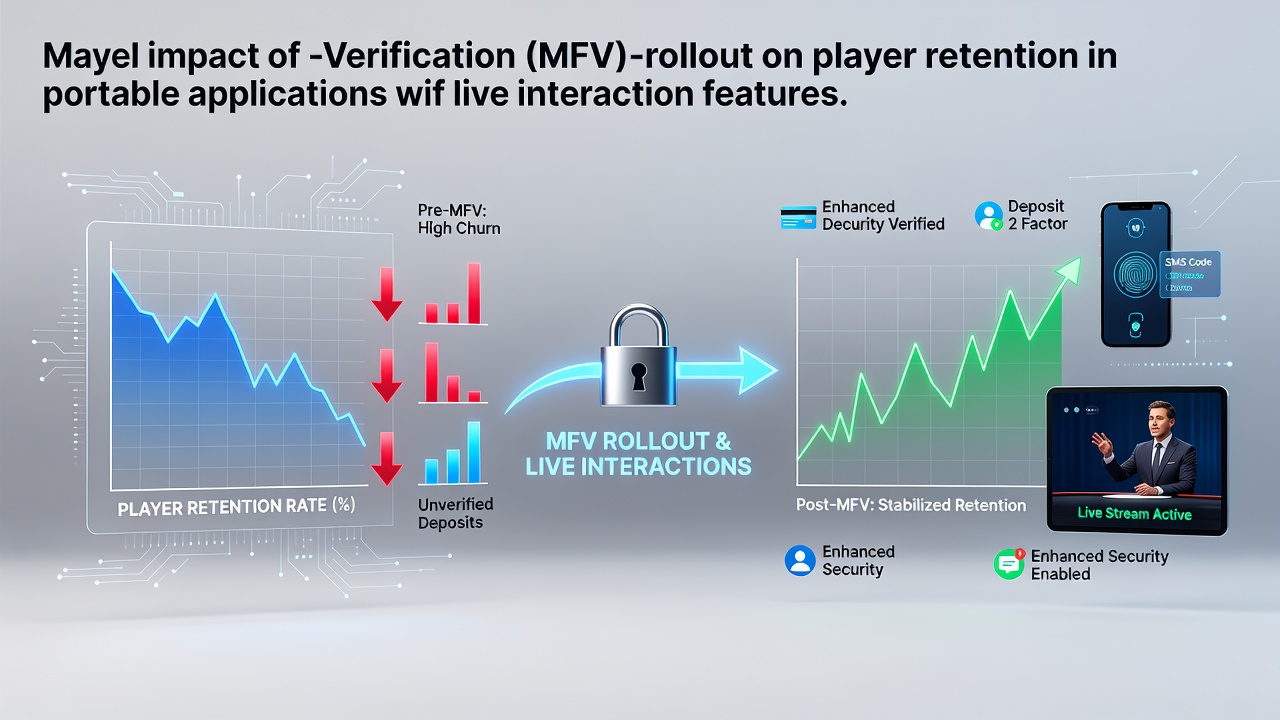
Operators across multiple jurisdictions introduced multi-factor verification requirements for deposits in portable casino applications during early 2025, and analysts tracked subsequent changes in player retention patterns through mid-2026. These systems typically combined password entry with one-time codes sent to registered devices or biometric checks, and they targeted live interaction features such as real-time table games where players interact directly with dealers via video streams. Data compiled by regional regulators shows deposit completion rates fluctuated in the initial months after rollout, while longer-term retention metrics revealed varied outcomes depending on how platforms integrated the verification steps with existing reward structures.
Implementation Patterns Across Mobile Platforms
Portable applications supporting live dealer sessions rolled out multi-factor checks at different paces, with some providers activating the process at the funding stage and others embedding it within account management flows. In July 2026, several North American operators reported that players who completed verification on first attempt maintained session lengths comparable to pre-implementation baselines, whereas those encountering repeated prompts showed elevated exit rates before reaching live tables. Researchers from academic institutions examining transaction logs noted that applications using seamless biometric options retained higher percentages of users who engaged with progressive reward tiers tied to live game participation.
Deposit Flow Adjustments and Retention Indicators
Transaction data indicates that multi-factor layers extended average deposit times by 15 to 30 seconds in many cases, and this interval correlated with shifts in how frequently players returned to mobile live environments. Observers tracking cohort behavior found that accounts verified through multiple channels exhibited steadier progression through loyalty milestones, since completed deposits fed directly into bonus structures attached to interactive dealer sessions. One study of Canadian iGaming operations linked smoother verification experiences to sustained participation rates over six-month periods, while applications requiring manual code entry saw temporary dips in repeat logins among users who preferred quick access to live roulette or blackjack tables.
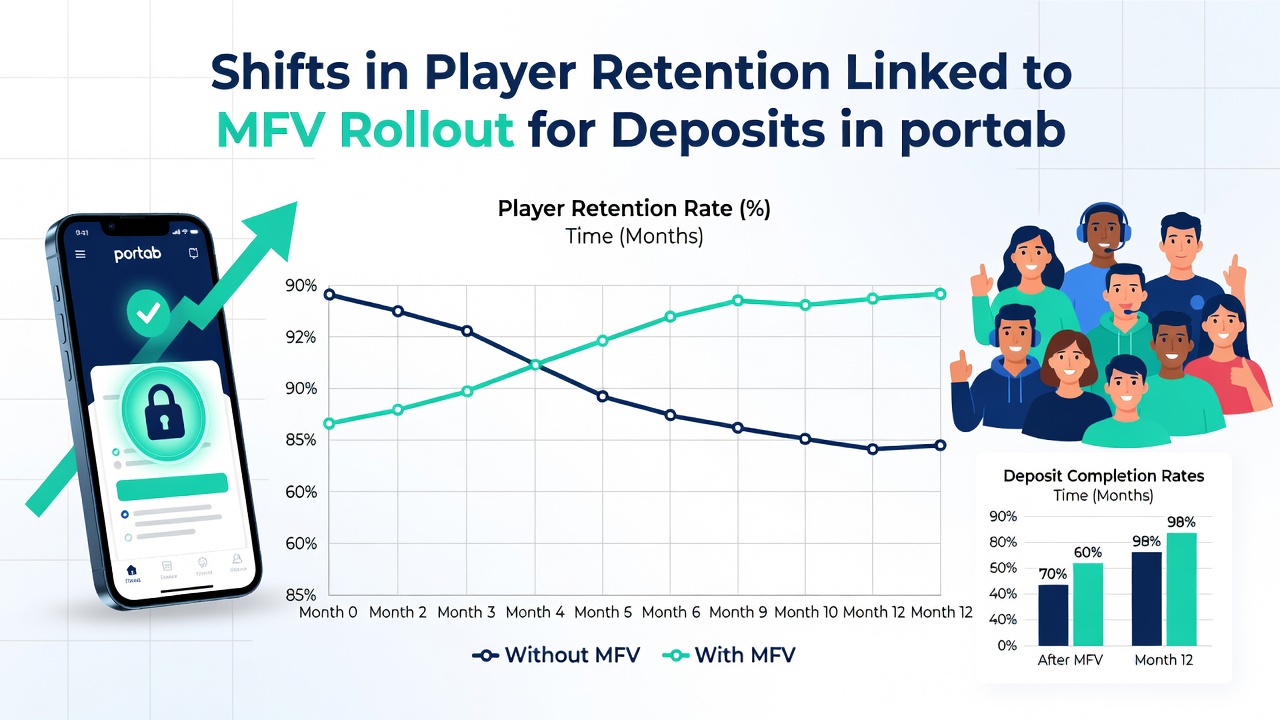
European operators documented parallel trends where integration of device-based authentication reduced friction for returning users who had already stored payment details. Retention curves stabilized once players adapted to the new sequence, and platforms that offered in-app guidance during initial verification maintained stronger connections to tiered reward programs. Figures from industry reports highlight that live interaction features remained central to engagement, because players who navigated deposits successfully continued accessing real-time dealer streams without additional barriers.
Regional Data and Comparative Metrics
Analysts comparing outcomes across jurisdictions observed that regions with established mobile gaming frameworks experienced quicker stabilization in retention statistics after multi-factor requirements took effect. Australian regulatory summaries from 2026 pointed to consistent month-over-month player return rates once verification aligned with existing deposit preferences, while certain U.S. state markets recorded initial drops followed by recovery tied to app updates that streamlined code delivery. Those monitoring global patterns noted that applications supporting both live dealer interactions and flexible deposit routes retained users more effectively when verification steps minimized interruptions to ongoing sessions.
Links to Reward Progression and Live Features
Evidence from transaction and activity logs reveals connections between verified deposit success and advancement through loyalty levels in portable applications. Players who completed multi-factor steps accessed bonus credits faster, and this acceleration supported continued participation in live table environments where dealer interactions formed the core experience. Reports from research organizations tracking digital gaming trends show that platforms emphasizing clear verification pathways preserved higher percentages of users who regularly engaged with milestone-based rewards attached to mobile live play.
Conclusion
Patterns emerging through July 2026 demonstrate that multi-factor verification for deposits influenced retention trajectories in mobile casino applications featuring live interactions, with outcomes shaped by implementation details and user adaptation speed. Continued monitoring by regulatory bodies and industry analysts will clarify how these systems evolve alongside player expectations for seamless access to real-time dealer sessions and associated reward mechanisms.