Tracing Funding Channel Preferences to Unlock Sequences in Handheld Interactive Table Apps with Multi-Level Incentive Ladders
Casey Perry · Aug 11, 2026
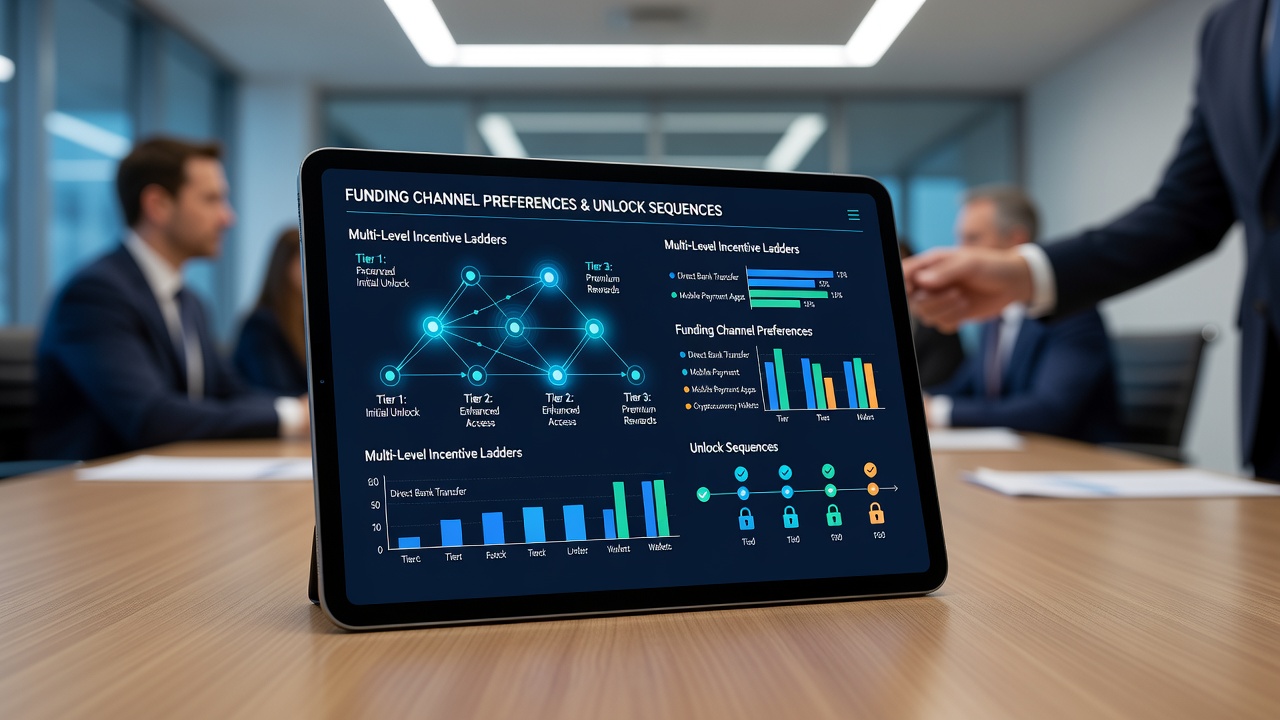
Tracing Funding Channel Preferences to Unlock Sequences in Handheld Interactive Table Apps with Multi-Level Incentive Ladders
Handheld interactive table apps with multi-level incentive ladders have seen users gravitate toward specific funding channels that align with their progression through tiered rewards, and data collected through 2026 reveals clear patterns in these preferences. Observers note that e-wallet transfers often precede rapid advancement in bonus structures, while bank transfers tend to support sustained participation across extended play sequences in live dealer environments. Studies from research institutions in Australia and Canada have documented how deposit timing interacts with achievement milestones, creating sequences where certain payment methods unlock higher incentive levels more efficiently than others.
Payment Method Patterns in Mobile Table Environments
Users of portable gaming platforms featuring dealer interactions frequently select digital wallets for initial deposits because these channels facilitate quicker confirmation times that match the pace of multi-level incentive systems. Data indicates that credit card transactions appear more often among players advancing through mid-tier rewards, whereas cryptocurrency options surface in records tied to top-level unlocks during periods of high activity. In August 2026, industry reports highlighted shifts in these preferences as apps updated their ladder mechanics to reward consistent funding from diversified sources, and figures from European trade groups showed corresponding increases in e-wallet adoption rates across handheld devices.
Connections Between Funding Flows and Achievement Unlocks
Research from academic sources in Singapore demonstrates that sequences involving rapid e-wallet deposits correlate strongly with early milestone completions in apps that layer incentives across multiple tiers. Those who track user behavior observe that bank transfers, while slower, often precede larger cumulative deposits that accelerate progression through upper incentive ladders in interactive table formats. This linkage emerges because apps frequently tie deposit velocity to reward multipliers, creating pathways where channel choice directly influences unlock timing without altering the underlying game mechanics.
One analysis of portable dealer game data revealed that players who alternate between wallet services and card payments maintain steadier advancement rates than those relying on a single method. The patterns hold across regions where regulatory frameworks permit varied funding options, and they reflect how incentive structures reward both frequency and volume of transfers in ways that favor flexible channels.
Regional Data on Channel Preferences and Ladder Progression
Reports compiled by North American gaming associations point to higher usage of instant bank transfer services among users in apps that feature extended incentive ladders for table games. These services allow deposits that align with daily or weekly reward cycles, supporting consistent tier climbs without the processing delays associated with traditional wires. European studies, meanwhile, have tracked elevated cryptocurrency activity in markets where such options integrate directly with loyalty tracking systems, and the resulting data shows accelerated unlocks for players who time these transfers around promotional windows.
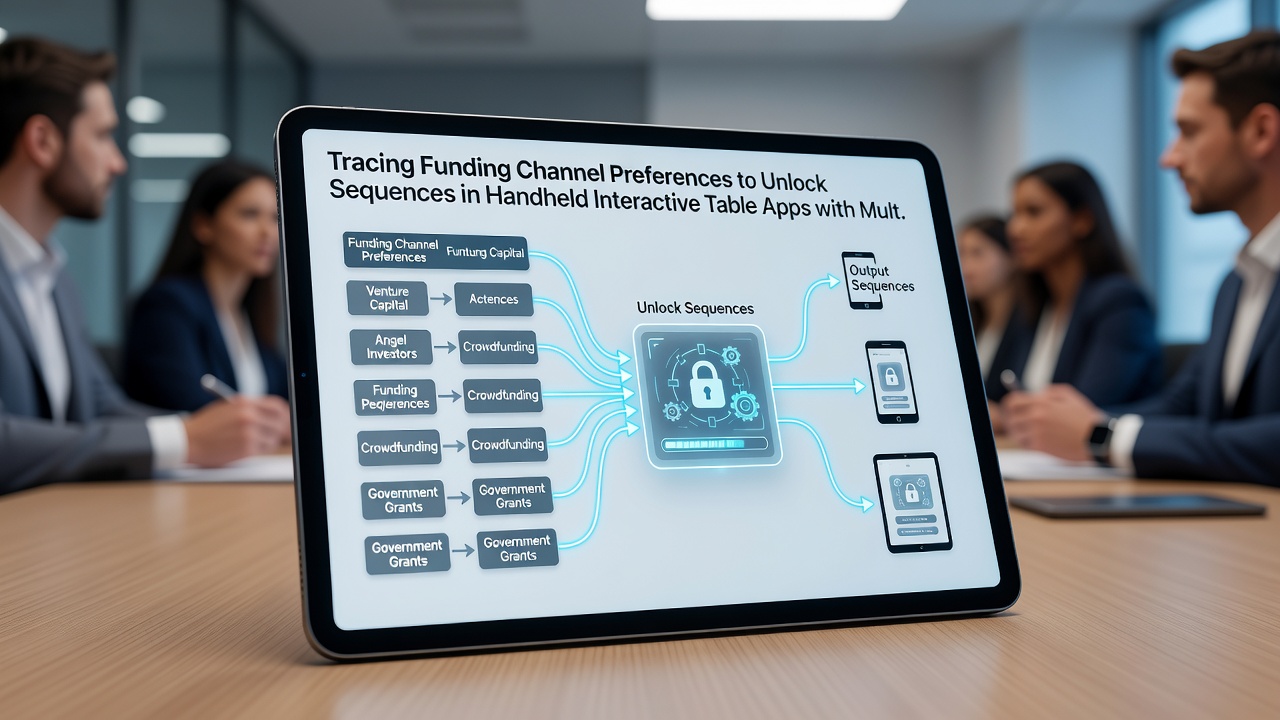
Observers tracking handheld app usage note that deposit source selection often determines whether players encounter friction or smooth progression in multi-level systems. For instance, apps may apply different verification requirements based on channel, which in turn affects how quickly rewards activate and ladders advance. Data from 2026 indicates that regions with streamlined regulatory approvals for digital payments experience faster overall progression rates in these environments compared to areas with more fragmented options.
Impact of Funding Timing on Sustained Participation
Patterns identified in longitudinal studies show that users who favor recurring e-wallet deposits maintain longer engagement streaks within incentive programs than those using sporadic card payments. The timing element proves significant because many apps structure their ladders to grant escalating benefits based on consecutive activity periods, and funding channels that support seamless repeat transactions help users meet those thresholds. Research institutions have quantified these effects, finding measurable differences in unlock sequences tied directly to the reliability and speed of chosen payment methods.
Apps incorporating flexible deposit solutions alongside dealer-interaction features appear to amplify these dynamics, as players can adjust funding approaches to match evolving incentive requirements. Records from multiple platforms indicate that hybrid strategies combining wallets with occasional bank transfers produce the most consistent advancement through tiered structures, particularly when users align deposits with scheduled reward resets.
Conclusion
Tracing funding channel preferences reveals consistent relationships with unlock sequences in handheld interactive table apps equipped with multi-level incentive ladders. Evidence from diverse regulatory regions and research bodies confirms that channel choice influences both the pace and sustainability of progression through reward tiers. As platforms continue to refine their systems, the documented patterns provide clear indicators of how payment methods intersect with participation trends in these mobile environments.