Tracing Seasonal Fluctuation Patterns in Reward Tier Migrations for App-Based Interactive Card Sessions with Variable Funding Options
Gisela Long · Sep 8, 2026
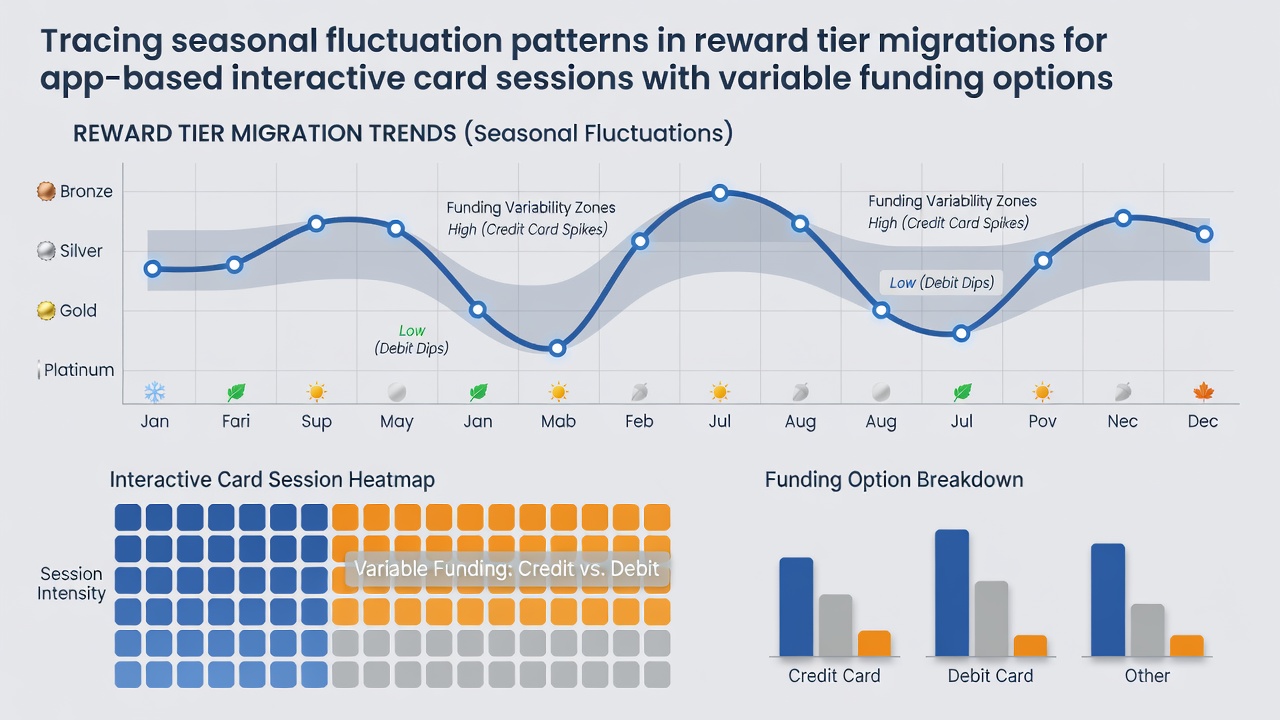
Tracing Seasonal Fluctuation Patterns in Reward Tier Migrations for App-Based Interactive Card Sessions with Variable Funding Options
Analysts tracking user behavior in mobile card applications note distinct shifts in reward tier movements that align with calendar cycles, where participation levels rise and fall in predictable waves tied to holidays, weather changes, and financial periods. These patterns emerge from aggregated data across platforms offering interactive sessions like blackjack or poker variants, with users advancing or dropping tiers based on activity volume and deposit frequency. Funding options such as credit cards, e-wallets, bank transfers, and cryptocurrency play a measurable role in how quickly participants reach milestones or adjust their engagement during peak and off-peak months.
Observed Patterns Across Calendar Quarters
Data compiled from multiple app providers reveals higher migration rates toward premium tiers during late fall and early winter months, when users often increase session counts and experiment with varied payment methods to unlock bonus structures. Researchers examining transaction logs find that spring periods show steadier but slower progressions, with many accounts maintaining mid-level status while funding selections remain consistent month to month. Summer months introduce more volatility, as shorter sessions and alternative deposit choices correlate with lateral moves rather than upward climbs in loyalty rankings.
Industry reports from organizations such as the Gaming Technologies Association indicate that September 2026 recorded a noticeable uptick in tier adjustments compared to the prior year, driven partly by post-summer recovery in user deposits and renewed interest in interactive dealer features. Those who monitor these platforms observe that variable funding options influence the speed of these changes, with instant methods enabling faster accumulation of required points than traditional transfers.
Role of Funding Variability in Tier Dynamics
Payment selection directly affects progression velocity because certain options process rewards credits more rapidly while others introduce delays that stall advancement. Users opting for digital wallets frequently complete tier requirements ahead of schedule during high-activity windows, whereas bank-linked methods show steadier but less accelerated results across seasons. Observers note that cryptocurrency funding introduces additional fluctuation, with value swings sometimes prompting sudden deposit surges that push accounts across thresholds during otherwise quiet periods.
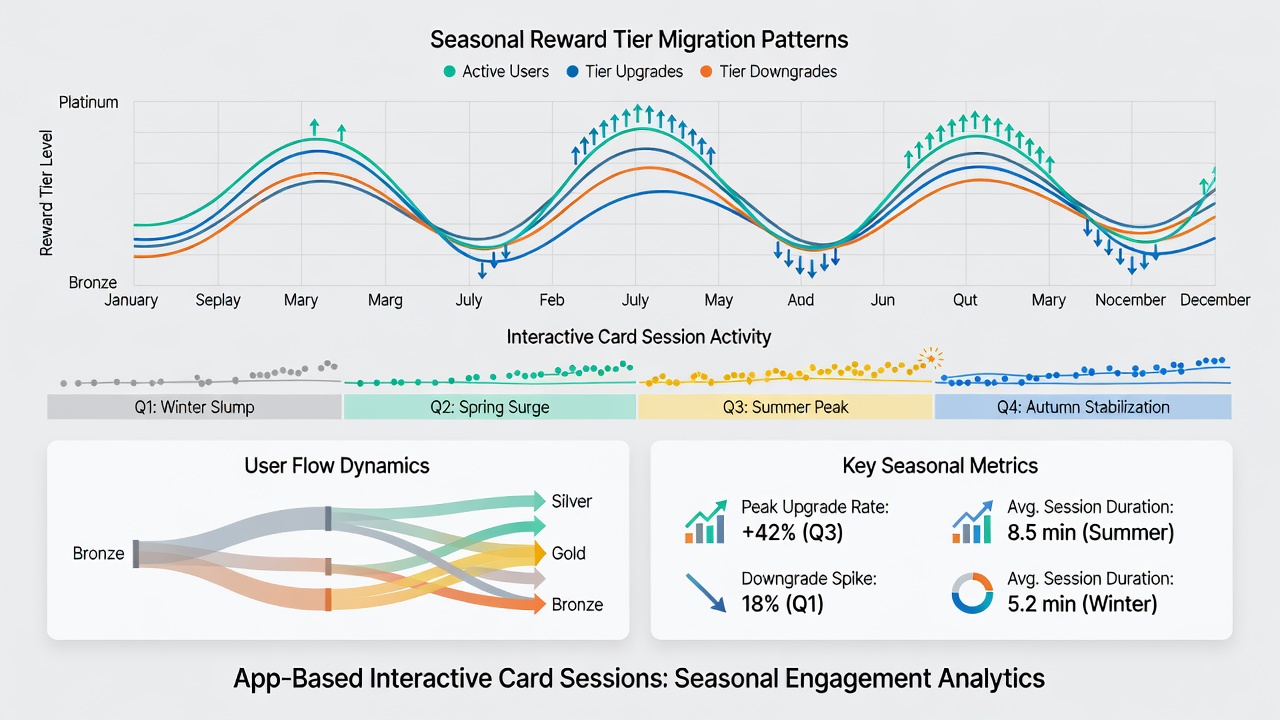
Studies tracking thousands of accounts demonstrate that platforms offering multiple funding routes experience broader distribution of tier outcomes, since participants select methods matching their seasonal cash flow patterns. During periods of economic pressure, slower funding paths lead to prolonged stays at lower tiers, while flexible options support quicker recoveries when activity resumes. This interplay creates layered migration maps that analysts use to forecast engagement trends months ahead.
Regional and Platform Variations
Applications serving North American users display sharper seasonal spikes around major sporting events and year-end holidays, whereas European markets show more distributed activity with milder shifts between quarters. Canadian regulatory summaries highlight how funding regulations shape these flows, encouraging diversified payment choices that stabilize tier movement during transitional months. Similar patterns appear in Australian datasets, where seasonal tourism influences deposit timing and subsequent loyalty escalations.
Platform-specific features also matter, because apps with integrated dealer interaction tools see different migration speeds than those focused solely on automated card sessions. Data indicates that bonus structures tied to funding volume amplify seasonal effects, pushing more accounts upward during months when users experiment with new payment avenues to maximize returns.
Conclusion
Patterns in reward tier migrations within these mobile environments reflect the combined influence of time-based activity cycles and the flexibility users exercise when selecting funding methods. Continued monitoring of transaction and engagement metrics provides clearer pictures of how these elements interact across different regions and platform designs.